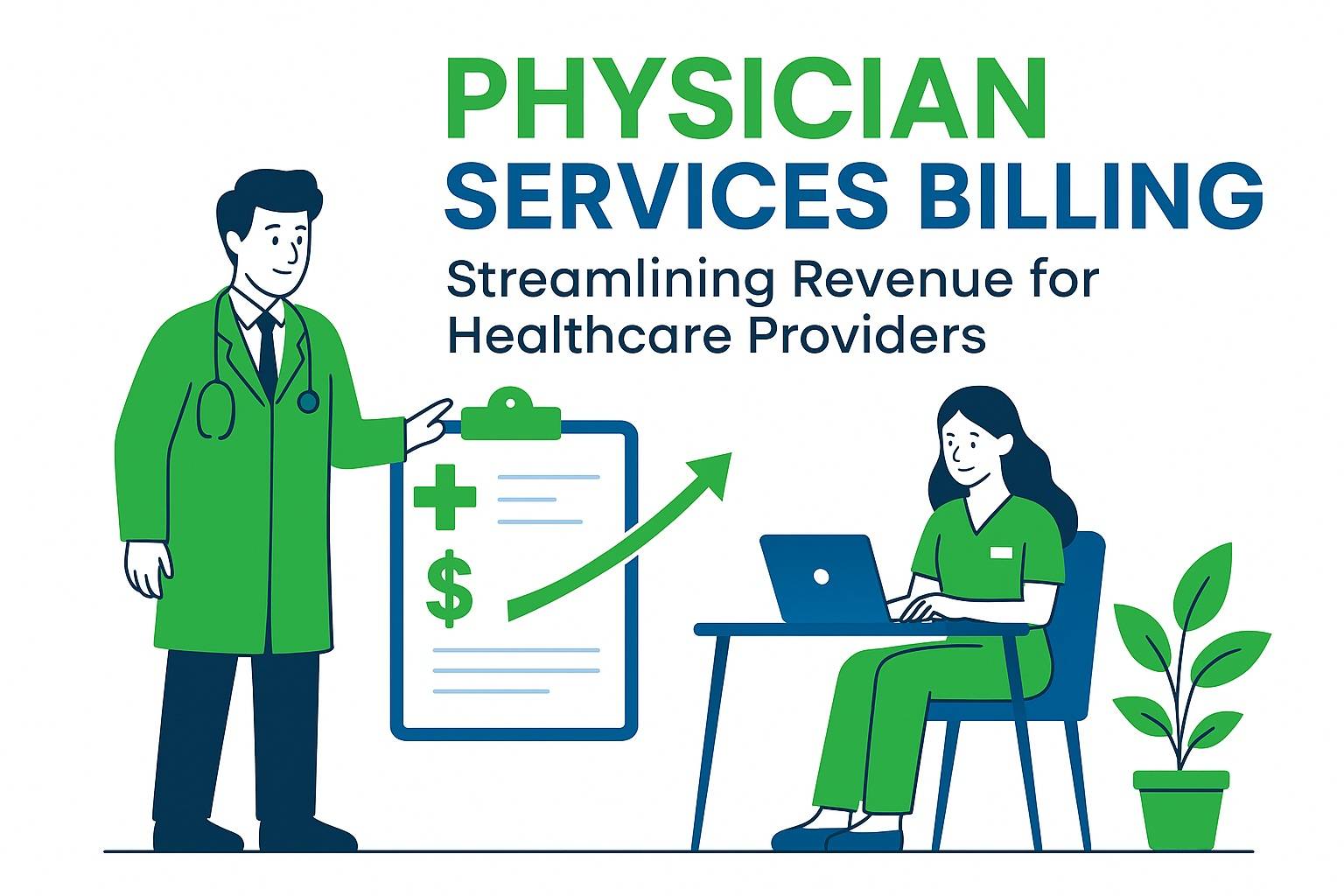

Physician Services Billing: Streamlining Revenue for Healthcare Providers
In the complex world of healthcare, Physician Services Billing plays a critical role in ensuring that medical professionals receive timely and accurate payments for the care they provide. Efficient billing processes are essential not only for the financial health of a practice but also for maintaining compliance with ever-changing regulations. This article explores what physician services billing is, its significance, key components, and how it benefits healthcare providers.
What is Physician Services Billing?
Physician Services Billing—also known as professional billing—is the process of submitting claims and invoices for medical services rendered by physicians and other qualified healthcare professionals. This billing specifically covers the provider’s time, expertise, procedures, and consultations, distinguishing it from institutional billing, which pertains to facility-related charges such as hospital stays or equipment use.
Physician billing uses standardized forms like the CMS-1500 or electronic equivalents (e.g., 837-P) to communicate with insurance companies, ensuring proper documentation and reimbursement for services provided.
Importance of Physician Services Billing
Medical billing for physicians requires precision, accuracy, and adherence to complex coding and regulatory standards. Errors or delays in billing can lead to claim denials, lost revenue, and compliance issues. Therefore, robust physician services billing systems are vital for:
- Maximizing revenue through accurate claim submission and follow-up
- Minimizing denials and rejections with proper coding and documentation
- Maintaining compliance with healthcare regulations and payer guidelines
- Enhancing operational efficiency by reducing administrative burden on physicians
Key Components of Physician Services Billing
1. Medical Coding
The foundation of physician services billing lies in accurate medical coding. Certified coders translate medical procedures and diagnoses into universally recognized codes such as CPT (Current Procedural Terminology), ICD-10 (International Classification of Diseases), and HCPCS (Healthcare Common Procedure Coding System). Proper coding is essential to avoid errors that can lead to rejected or delayed claims.
2. Claim Submission
After coding, claims are submitted to insurance payers electronically or via paper forms like CMS-1500. The submission process must comply with specific payer requirements, ensuring all necessary information is included to facilitate smooth processing.
3. Payment Posting
Once claims are processed, payments from insurance companies are posted to patient accounts. This step helps track which claims have been paid, partially paid, or denied.
4. Denial Management
Denied or rejected claims require immediate attention to determine the cause—whether coding errors, missing information, or eligibility issues—and to correct and resubmit the claim promptly.
5. Patient Billing and Follow-Up
After insurance payments, any remaining balance becomes the patient’s responsibility. Clear communication and billing statements help patients understand their financial obligations, while follow-up ensures timely collection.

Distinction Between Physician Services Billing and Institutional Billing
It is important to differentiate physician services billing from institutional billing:
- Physician Services Billing covers the services performed directly by the physician or healthcare provider, including consultations, examinations, surgeries, and interpretation of diagnostic tests.
- Institutional Billing pertains to charges related to the use of hospital facilities, equipment, nursing services, and other resources involved during patient care.
These two billing processes are often handled separately, resulting in multiple bills for a single episode of care.
Compliance and Regulatory Considerations
Physician services billing must adhere to strict federal and state regulations. The Centers for Medicare & Medicaid Services (CMS) provides guidelines such as the Physician Fee Schedule (PFS), which dictates reimbursement rates for physician services. Additionally, healthcare providers must comply with HIPAA regulations to protect patient information during billing and claims processing.
Recent legislation also addresses surprise billing, protecting patients from unexpected charges when receiving out-of-network care in emergency or certain non-emergency situations. Proper billing practices ensure compliance with these rules, avoiding penalties and enhancing patient trust.
Benefits of Outsourcing Physician Services Billing
Many medical practices opt to outsource their billing processes to specialized companies. Outsourcing offers several advantages:
- Expertise: Professional billing services employ certified coders and billing specialists who stay current with changing regulations and payer policies.
- Efficiency: Automated systems and experienced teams reduce errors and accelerate claim processing.
- Cost Savings: Practices save on hiring and training in-house billing staff, as well as on software and infrastructure.
- Focus on Patient Care: Physicians can dedicate more time to clinical work, improving patient outcomes.
- Improved Cash Flow: Prompt claim submission and follow-up reduce accounts receivable aging and boost revenue.
How Technology Enhances Physician Services Billing
Advances in healthcare technology have transformed physician billing. Electronic Health Records (EHR) integration allows seamless transfer of clinical data into billing systems, reducing manual entry and mistakes. Claims management software automates submission, tracks claim status, and manages denials efficiently. Patient portals facilitate transparent billing communication and online payments.
Artificial intelligence and machine learning are emerging as powerful tools to analyze billing patterns, predict denials, and optimize revenue cycle management.
Conclusion
Effective Physician Services Billing is a cornerstone of successful healthcare practice management. It ensures that physicians are fairly compensated for their expertise while maintaining compliance and operational efficiency. Whether managed in-house or through outsourcing, attention to detail, accurate coding, and timely claim processing are essential for maximizing revenue and supporting the delivery of quality patient care.